Construction Echoes from the Wall
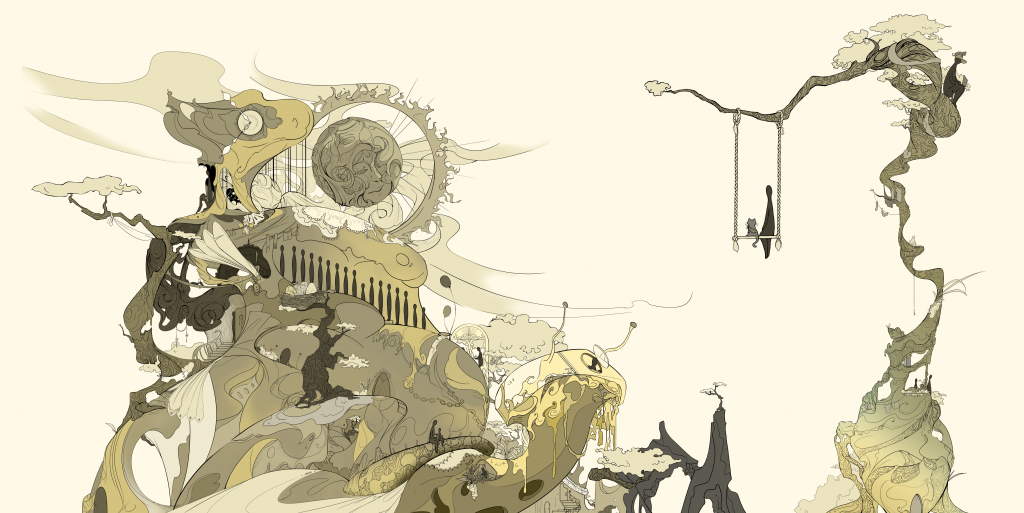
WEEK1 15.06 – 19.06 Idea
WEEK2 22.06 – 26.06 Process _ Scene Understanding
I experimented with Object Detection, which was able to detect smaller objects. However, it could only detect them while they were visible to the camera, and tracking became less reliable once they moved out of view. Therefore, I decided to use MRUK Scene Setup as the main approach for detecting and understanding the environment.
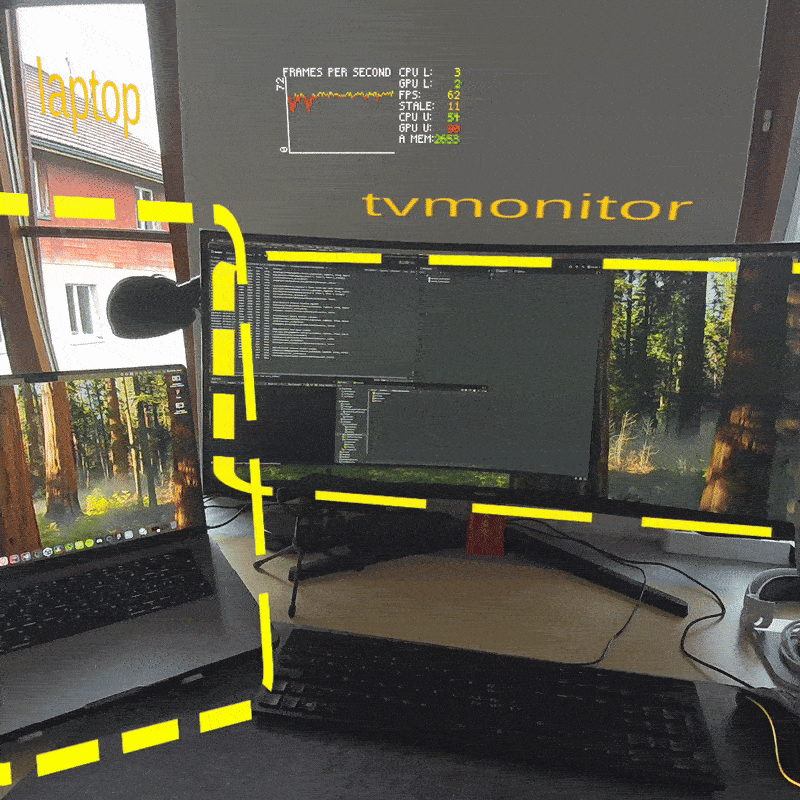
quest object detection
Object Detection could still be introduced later for movable objects, such as hot-air balloons, landmarks, or other interactive elements that may change position within the environment.
WEEK3 29.06 – 03.07 Process _ Modeling
I initially created my own character model and tested it with animations. However, the result had a lot of mesh clipping and unnatural movements, so I decided to use a free 3D character model instead. I then used Blender to re-rig the model with a Mixamo skeleton and retarget the animations for use in the project.
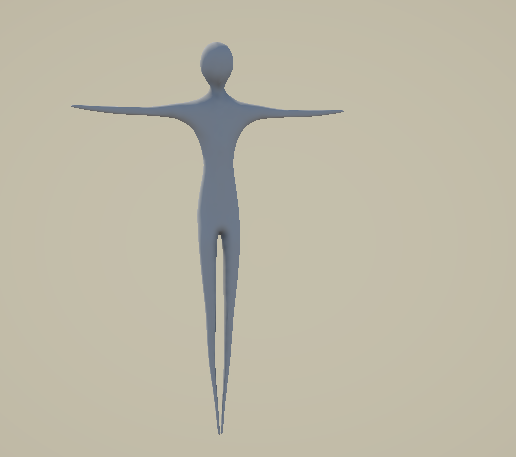
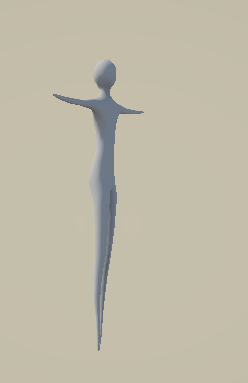
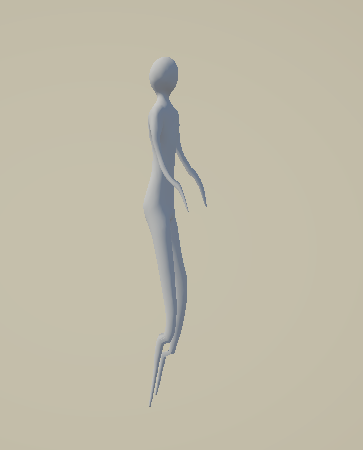
The original character model was designed to have a soft, tentacle-like body, but the result did not work as well as expected. There were also noticeable clipping issues around the chest and shoulders when the arms moved. Because of these problems, I decided to put this character design aside for now and explore other 3D character models instead.
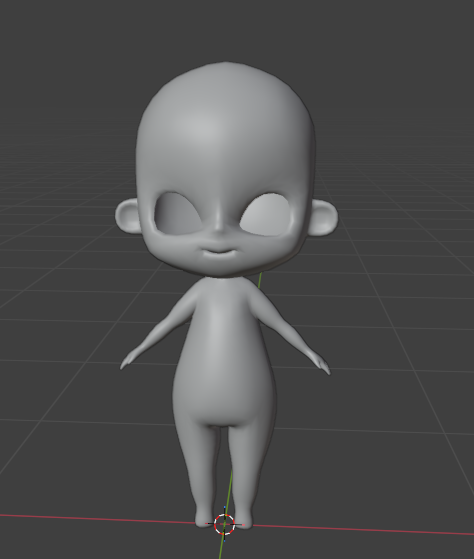
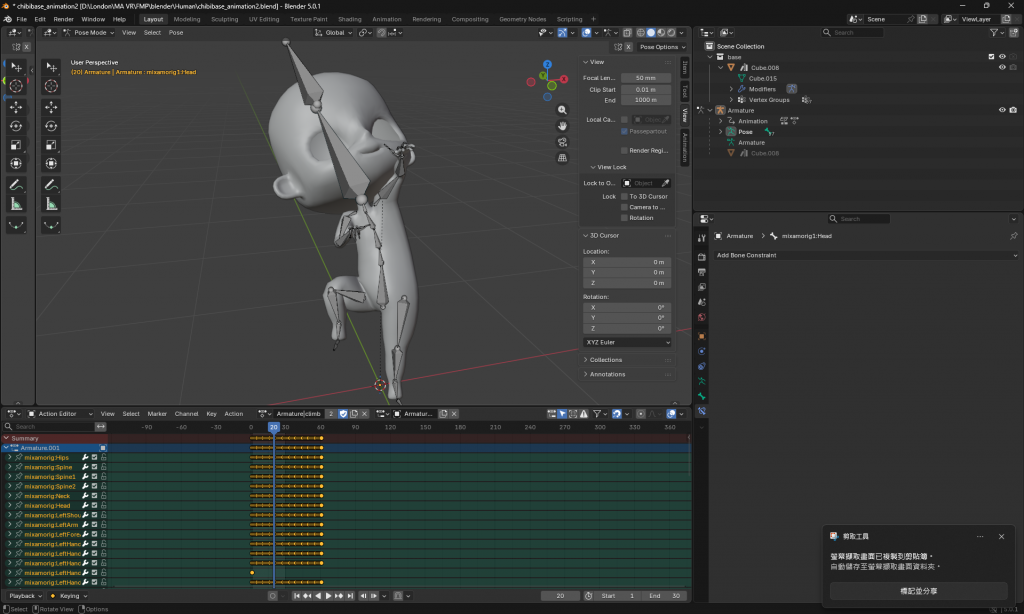
The new character model focuses more on a cute and playful appearance, which is closer to how I originally imagined the Zashiki-warashi in this project. Since the animations were retargeted from Mixamo, there are still some clipping issues, particularly because the character has a relatively large head. Some of the animations will therefore need further adjustment and refinement.
WEEK4 06.07 – 10.07 Progress _ Shader Graph Outline
處理禮材質渲染
WEEK5 13.07 – 17.07 Develop Conference:Brighton
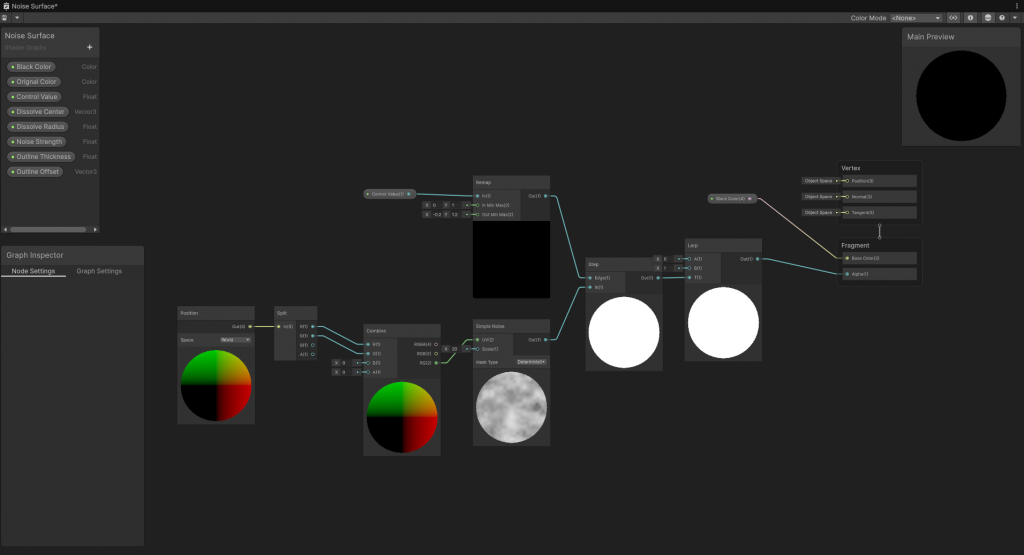
WEEK6 20.07 – 24.07 Progress _ Shader Graph Noise Surface
處理禮材質渲染
WEEK7 27.07 – 31.07 Progress _ Nav function
little man walking funciton
WEEK9 10.08 – 14.08 Progress _ Ladder
Ladder
WEEK10 17.08 – 21.08 Progress _ Put into Quest
build in the quest, combine all the function
WEEK11 24.08 – 28.08 Progress _ Change the Style
Change the material color with three layer
shaking problem need to fixed
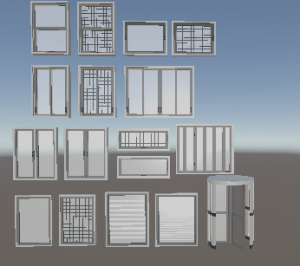
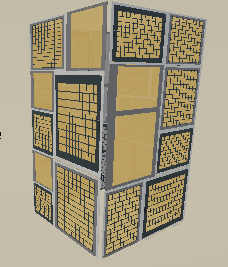
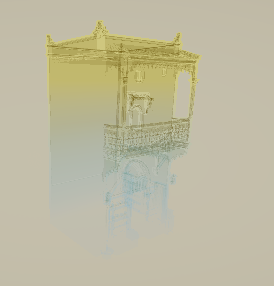
WEEK12 31.08 – 04.09 Progress _ Build the Structure by Random Surface
want to change the building into the windows which conect together.
WEEK13 07.09 – 11.09 Rethink the Project
At this stage, I reconsidered my overall vision for the project and began to rethink how I wanted the experience, world, and different systems to work together.
Concept
As a child, when I pressed my head into my pillow, I could hear my own heartbeat clearly. I would imagine that the sound came from someone underneath the bed or behind the wall, digging through it with a shovel, as if there were another unknown space hidden just beyond what I could see.
This experience developed into a fascination with the invisible spaces within everyday environments — behind walls, inside furniture, underneath beds, or deep inside cabinets. These spaces exist alongside the places we live in, but remain hidden from us.
This project aims to visualise and give physical form to these unseen spaces, imagining that they are not simply empty gaps or solid structures, but secret environments inhabited by small creatures. Different pieces of furniture and architectural structures can be
Reference
The concept is inspired by traditional stories of spirits and creatures that secretly share domestic spaces with humans
1. Yōkai — Zashiki-warashi

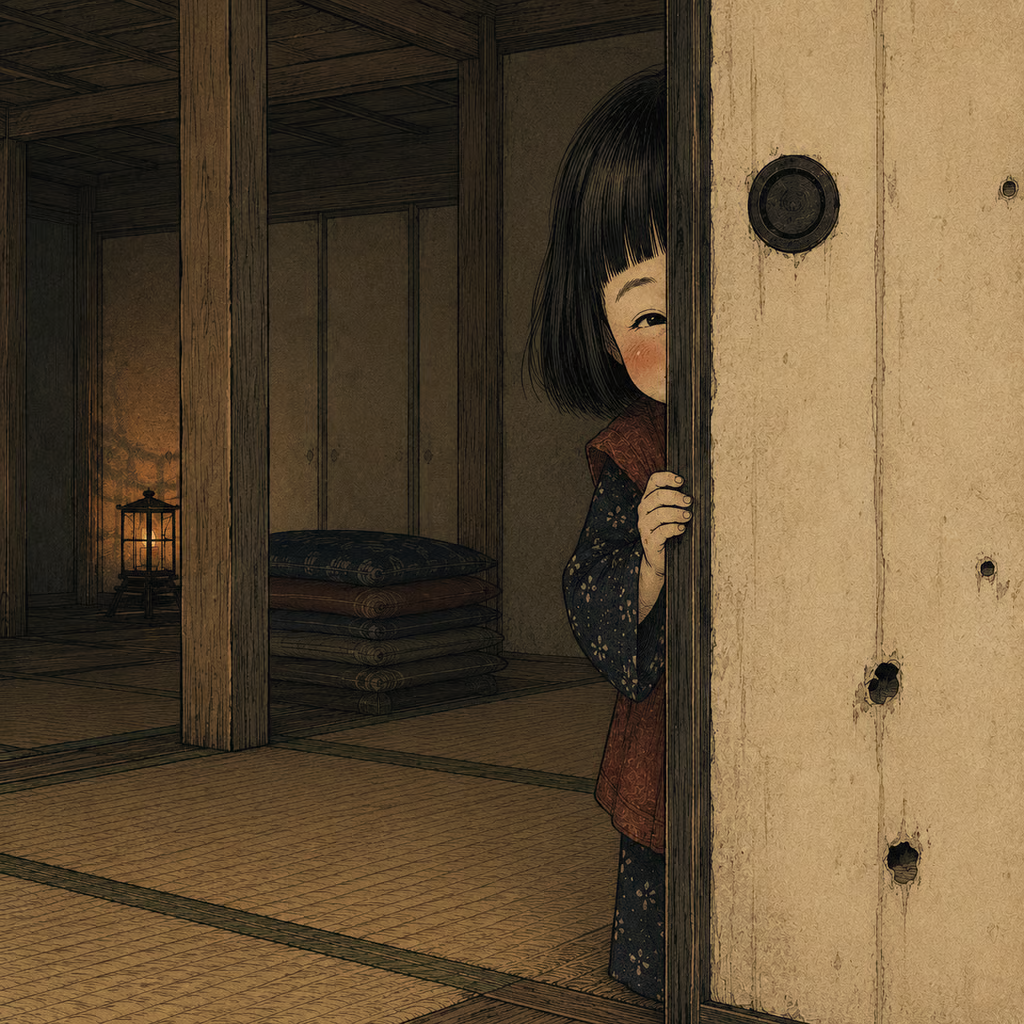
These child-like spirits are believed to inhabit houses and usually remain unseen, occasionally revealing their presence through playful behaviour or subtle traces.
This idea inspired the concept of creatures that already exist within our living spaces but normally remain unnoticed.
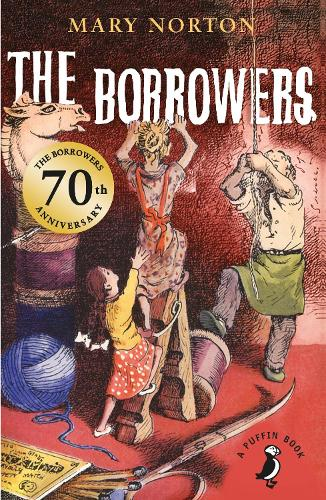
2. Brownies / The Borrowers / Tatsuya Tanaka

The Borrowers
Tatsuya Tanaka
Brownies and The Borrowers explore the idea of small beings secretly living alongside humans and making use of everyday objects and hidden domestic spaces as part of their own lives.
Similarly, Tatsuya Tanaka’s miniature works reinterpret familiar everyday objects from the perspective of tiny figures, transforming them into landscapes, architecture, and living environments.
These references inspired me to imagine how ordinary furniture and household objects could take on completely different meanings and functions when experienced by much smaller creatures, becoming part of their own miniature world.
3. Gulliver’s Travels

Gulliver’s Travels inspired me through the idea of different worlds, each with its own inhabitants, environments, scales, and ways of living. Rather than focusing only on the difference in size, I am interested in how each world can have its own identity and logic.
This influenced the idea that the hidden spaces within a room could contain different miniature worlds, each shaped by the furniture and architectural space in which it exists.
Design Settings for the Little Creatures’ Life System
One Day: 3600sec (1 hour)
| System | Normal | While Working | Building | Recover | per day |
|---|---|---|---|---|---|
| Hunger | -0.05/s | -0.075/s | Restaurant | +2/s | 2 /day |
| Energy | -0.025/s | -0.05/s | Home | +2/s | 1 /day |
| Pee | -0.08/s | — | Toilet | +20/s | 3 /day |
| Mood | -0.03/s | — | Entertainment | +2/s | 1 /day |
| Life | -0.004/s | — | — | — | 7 days |
| Expansion | 1 person | 2 people |
|---|---|---|
| Small | 20 sec | 15 sec |
| Medium | 60 sec | 55 sec |
| Large | 180 sec | 170 sec |
Animation & Model
I also started thinking about how the little creatures could physically construct their environment piece by piece, rather than having buildings simply appear.
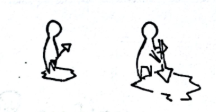
For example, they could carry individual parts and place them one at a time, such as extending a ladder section by section or adding different windows onto the walls. This could make the construction process feel more connected to the creatures themselves and allow players to see how their miniature world gradually develops.
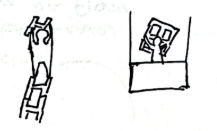
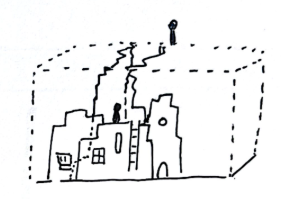
Another possibility is that the hidden world already exists inside the furniture, and the little creatures do not build it from scratch. Instead, they gradually dig or carve through the outer structure of the furniture, revealing the world that has always been hidden inside.
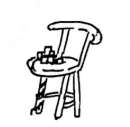
For some narrow or elongated pieces of furniture, such as chairs, the approach could be different. Rather than revealing an existing interior space, the little creatures could construct new structures piece by piece, allowing them to gradually grow and extend from the original furniture.
Story (if have time)
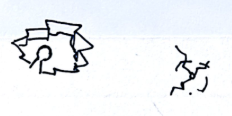
The scene begins in complete darkness. A crack slowly appears on the wall, accompanied by the sound of a chisel coming from behind it. The camera moves closer towards the crack. As it reaches the wall, a section of the surface suddenly breaks away, revealing a hidden space behind it. A small creature then peeks its head out through the opening.
Leave a Reply